

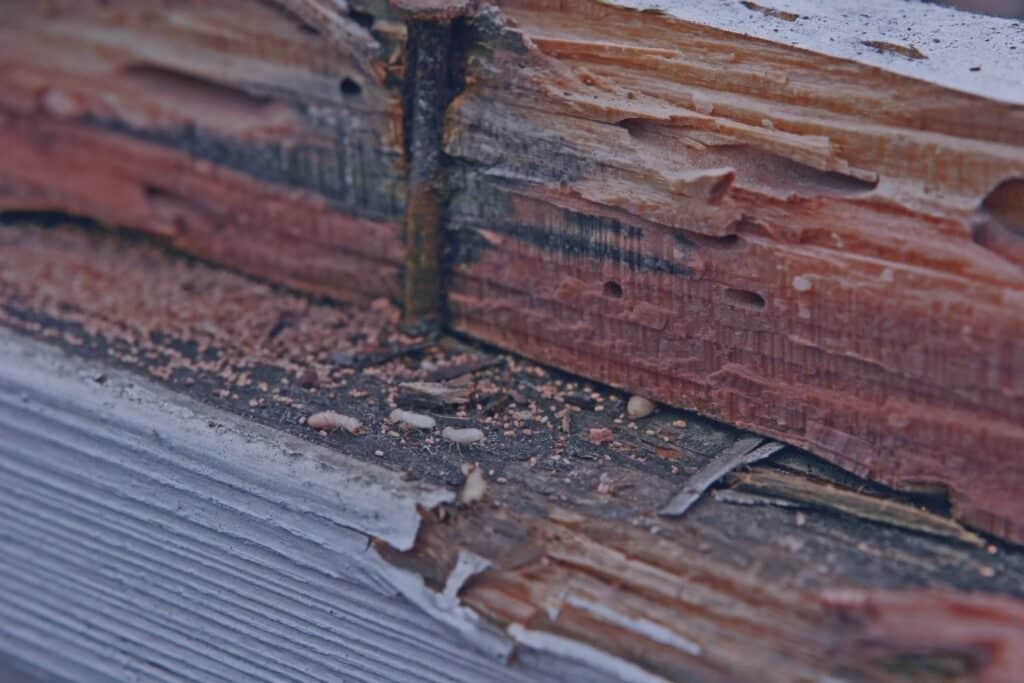
Deciding if you need a termite inspection for a home purchase is a critical step for any buyer in the Charlotte area, as North Carolina’s climate makes it a top-tier environment for wood-destroying pests.
While a standard home inspection covers the “bones” of the house, it does not officially certify the property against wood-destroying insects. Because termites are silent and stay hidden behind drywall and inside floor joists, they often go unnoticed. That is, until thousands of dollars in structural damage have already occurred.
In our region, skipping this check is often a major financial risk. It can complicate your mortgage approval and your long-term homeownership. Here’s everything worth knowing as you move forward.
Why Charlotte Is A High-Risk Zone For Wood-Destroying Pests
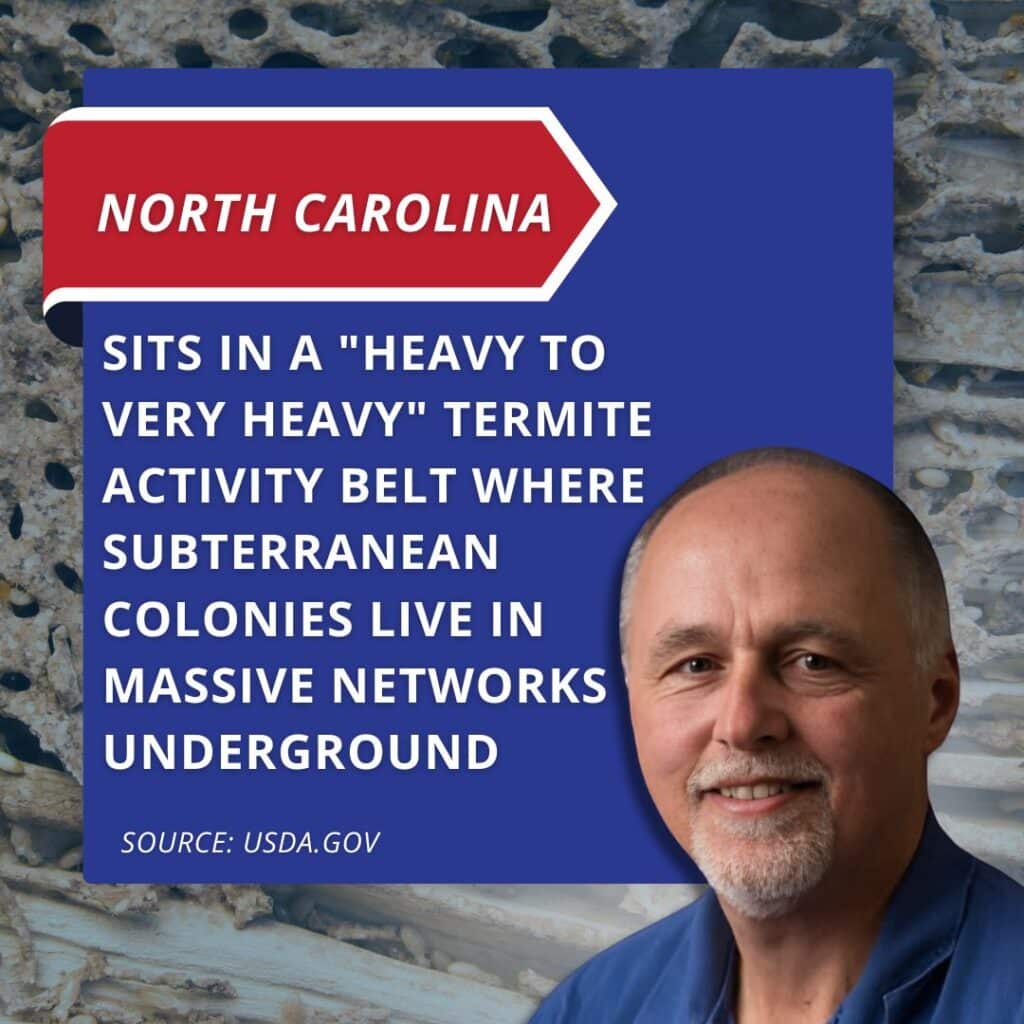
The Charlotte region sits in a “Heavy to Very Heavy” termite activity belt where subterranean colonies live in massive underground networks. Unlike drywood termites found in tropical climates, our local subterranean termites must maintain contact with the soil to stay hydrated. They build intricate mud tubes (thin tunnels made of dirt and saliva) to travel from the ground into your floor joists and wall studs.
Climate and Soil Factors
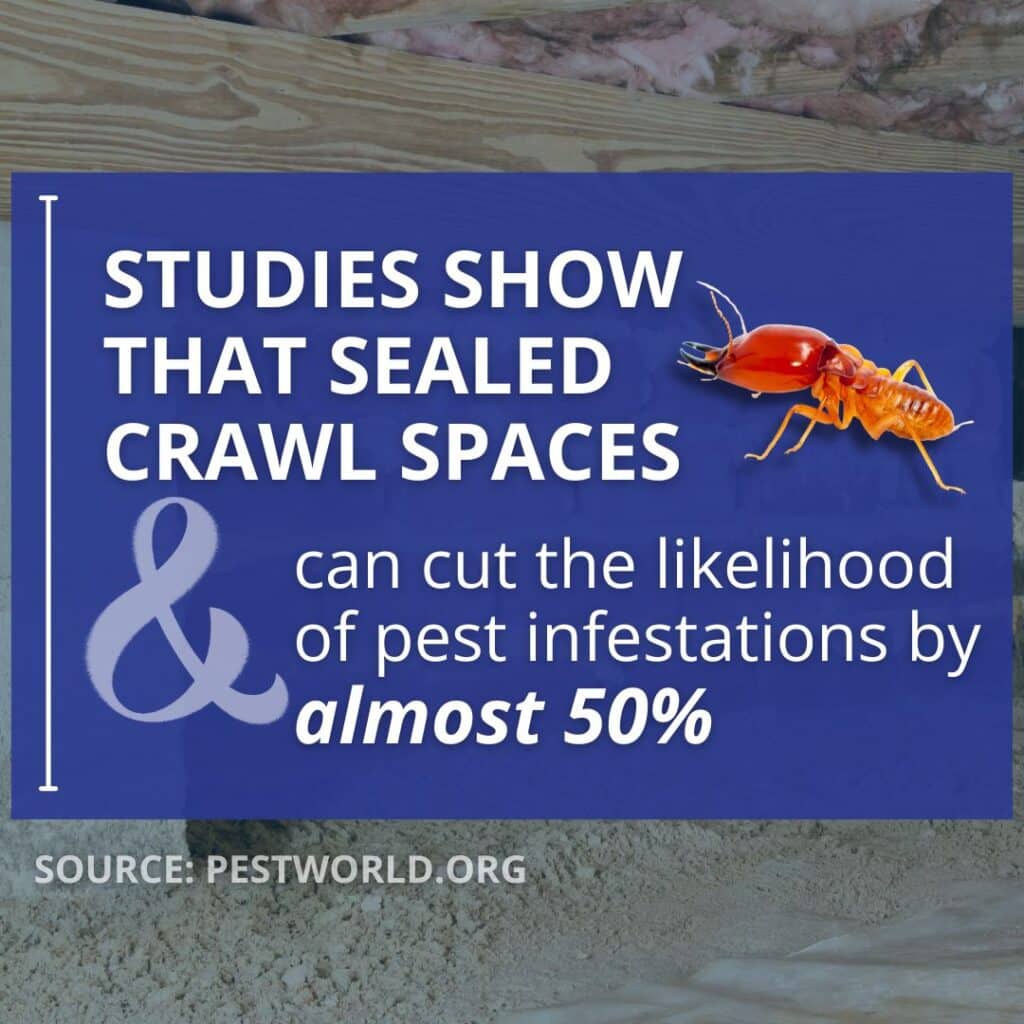
Because these pests require moisture, the crawlspaces of homes in Charlotte, Mooresville, and Gastonia are prime targets. If a home has poor drainage or a torn vapor barrier, the humidity in the crawlspace rises.
This softens the wood and makes it significantly easier for termites to excavate. A professional termite inspection for home purchase targets these high-humidity zones to ensure the home’s “bones” are still solid.
| Termite Type | Primary Habitat | How They Enter | Damage Style |
| Subterranean | Underground soil | Mud tubes on foundations | Hollows wood along the grain |
| Drywood | Inside dry wood | Flying into vents/attics | Smooth galleries and “frass” |
| Formosan | Large soil nests | Cracks in the slab | Rapid, aggressive consumption |
Is A Termite Inspection Required By Law?
A termite inspection is not required by state law for all home sales, but it is a mandatory requirement for most government-backed mortgages like VA, FHA, and USDA loans.
Lenders want to ensure that the house (which serves as the collateral for the loan) does not have an active infestation. If you are using a VA loan in North Carolina, a clear Wood-Destroying Insect (WDI) report is a non-negotiable closing document.
Even if you are a cash buyer or using a conventional loan where the lender does not “force” the inspection, local real estate experts almost always advise getting one. Unlike a roof leak that leaves a visible stain, termite damage is internal and hidden.
By the time a homeowner sees the small wings on a windowsill or notices a soft spot in the floorboard, the colony has likely been feeding on the home’s structure for several seasons. A professional inspection is the only way to shift the liability of those repairs back to the seller before you sign the final deed.
Mortgage Requirements at a Glance
- VA Loans: Mandatory in North Carolina (No exceptions).
- FHA/USDA Loans: Usually mandatory based on the appraiser’s findings.
- Conventional Loans: At the lender’s discretion, but highly recommended by real estate agents.
- Cash Purchases: Optional, but skipping it means the buyer assumes all future repair risks.
Understanding The WDIR-100 Form And The WDI Report
A termite inspection for home purchase is officially documented on a North Carolina WDIR-100 form, which tracks termites, beetles, and other wood-boring pests. This is a specialized, visual examination of all accessible areas of the property, including the crawlspace, attic, and garage.
The inspector is not just looking for live bugs; they are acting as a detective to find evidence of past treatments, old damage, and “conducive conditions” that invite future infestations.
When we perform these inspections at America’s Choice Inspections, we focus on the “path of least resistance” for pests. This includes identifying where mulch is piled too high against the siding, where wooden deck posts meet the soil directly, or where a leaky gutter is keeping the foundation wood soft and attractive to foraging colonies.
What the Inspector Documents
Pro Tip: In North Carolina, the WDIR-100 is not a “pass/fail” grade. It is a disclosure of the property’s history and current state regarding four specific categories.
- Active Infestation: Visible evidence of live wood-destroying insects.
- Previous Infestation: Physical signs (like old tunnels) that pests were present in the past.
- Prior Treatment: Evidence, such as drill holes in concrete or bait stations, suggests the home was treated.
- Conducive Conditions: Environmental factors like standing water or wood-to-soil contact.
Wood-Destroying Pests Beyond The Standard Termite
A comprehensive WDI inspection also identifies other wood-destroying organisms like powderpost beetles and carpenter ants. While termites get the most attention, these other pests can be just as destructive to a home’s equity over time if they are allowed to proliferate.
1. Powderpost Beetles
These tiny beetles lay eggs in unfinished wood, often in the floor joists of a crawlspace. When the larvae hatch, they eat their way out, leaving behind “pinholes” and a fine, flour-like dust. If left untreated, they can weaken the structural integrity of a subfloor to the point where it becomes bouncy or unstable.
2. Carpenter Ants
Carpenter ants do not actually eat the wood for food; they chew it to create tunnels and galleries for their nests. They are particularly attracted to wood that has been softened by water damage. If your new home has had a history of roof leaks or plumbing drips, carpenter ants are likely nearby.
3. Old House Borers
These are often in newer homes (usually those under 10 years old) because the larvae can survive in the wood used during construction. They create large, oval exit holes and “clicking” sounds inside the walls as they feed on the seasoned softwood of your home’s frame.
How To Negotiate Repairs And Termite Bonds
Finding evidence of termites during an inspection is not a reason to panic, but it is a reason to negotiate for professional treatment and a termite bond. If our team finds active termites or previous damage, the WDIR-100 form serves as your leverage in the real estate transaction. You can ask the seller to pay for a professional liquid treatment or a baiting system before you agree to close.
Why You Should Ask for a Termite Bond
A termite bond is a service agreement between a homeowner and a pest control company. It usually includes an initial treatment, an annual inspection, and a guarantee that the company will re-treat the home at no cost if termites return.
- Transferability: Ensure the bond can move into your name at closing.
- Coverage: Check if the bond covers “Retreatment Only” or “Retreatment and Damage Repair.”
- Peace of Mind: It ensures future responsibility falls on the pros, not your bank account.
Structural Repair Negotiations
If the pests have already caused damage, a simple spray won’t fix a rotted floor joist. We recommend having a licensed contractor provide a repair estimate based on our inspection findings. You can then request a “seller credit” or ask that the repairs be ready before you move in.
Related Questions to Explore
Does a standard home inspection include a termite check?
No. A general home inspection focuses on the roof, HVAC, plumbing, and electrical systems. While a general inspector might mention seeing a mud tube, they are able to provide the official WDI report required for your mortgage.
How does radon testing fit into the home-buying process?
While pest inspections look for physical damage, radon testing identifies an odorless, tasteless gas that can be trapped in homes. In the Charlotte and Triad areas, radon is a common concern. Testing during your due diligence period allows you to request a mitigation system from the seller if levels exceed safety limits.
Should I get a mold inspection or testing for a new construction home?
Even brand-new homes can have moisture issues if they saw heavy rain during framing or if the HVAC system has an improper balance. A specialized mold test checks for high spore counts and hidden moisture in the crawlspace or attic that could lead to health concerns or wood rot.
What should a buyer check for on their own before closing?
Beyond the professional reports, buyers should do a final walkthrough to ensure no new damage has occurred and that agreed-upon repairs were completed. Check the operation of all windows, look for fresh water stains on ceilings, and verify that the crawlspace remains dry after a heavy rain.
FInal Thoughts
Deciding to get a termite inspection for a home purchase is about more than just satisfying a lender; it is about protecting your financial future. In a high-activity state like North Carolina, the cost of an inspection is a tiny fraction of the cost of a major structural repair. By identifying active pests and high-risk conditions now, you can ensure that your new Charlotte area home is a safe and solid investment.
At America’s Choice Inspections, we have been providing clear, honest, and detailed reports to buyers in Charlotte, Mooresville, Winston-Salem, and Rock Hill since 2009. We know the local soil, we know the local pests, and we know exactly what to look for to keep your home safe.