

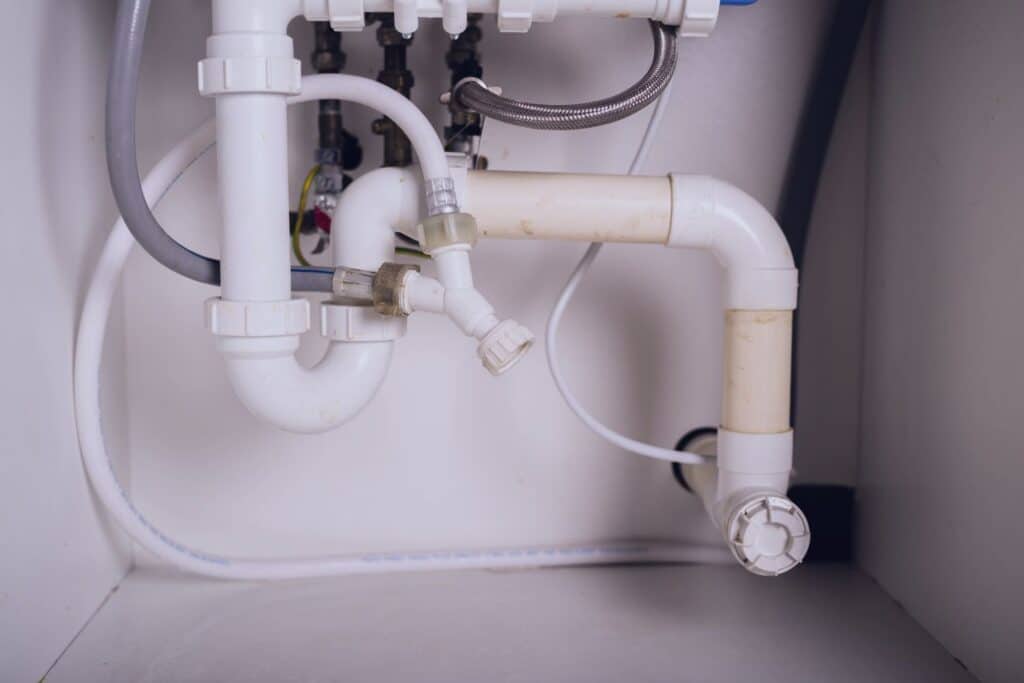
Sink traps are a small but critical part of a home’s plumbing system. When they are damaged, improperly installed, or altered during renovations, they can lead to a range of plumbing issues that inspectors commonly document during home inspections. These issues often go unnoticed until odors appear, cabinets show damage, or an inspection brings them to light.
In the Charlotte area, many homes have a mix of older plumbing systems and newer updates. Over time, this creates opportunities for sink trap plumbing problems to develop. This guide explains what sink traps do, why problems form, the most common plumbing issues inspectors see at sink traps, and how those findings affect homeowners, buyers, and sellers.
What a Sink Trap Does and Why it’s Necessary
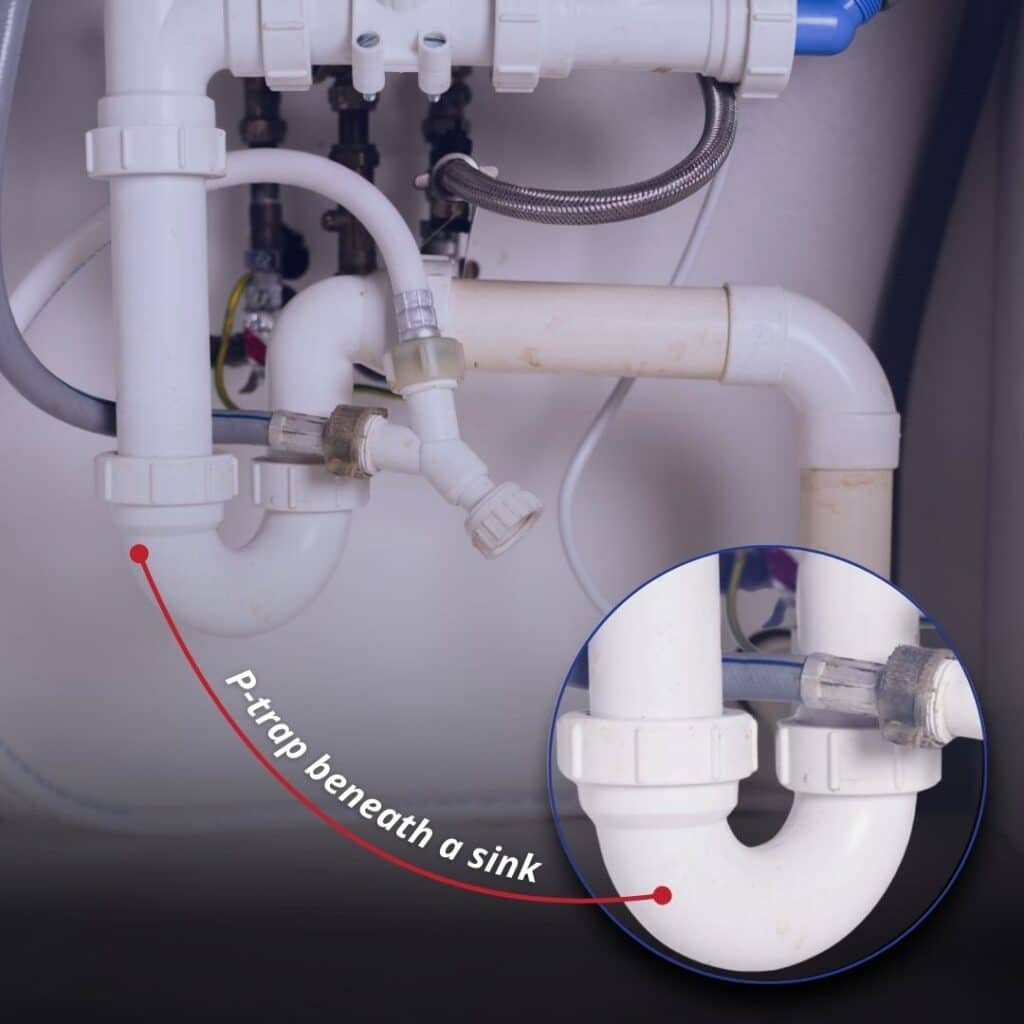
A sink trap is the curved section of pipe located beneath sinks and other plumbing fixtures. It is typically shaped like a U or P.
The primary purpose of a sink trap is to hold a small amount of water at all times. That water creates a seal that blocks sewer gases from traveling back through the drain and into the home. Without this seal, unpleasant odors and potentially harmful gases can enter living spaces.
Sink traps also help catch small debris before it travels deeper into the plumbing system. While this can sometimes contribute to clogs, it also prevents larger blockages from forming farther down the drain line.
Because of their role in protecting indoor air quality and plumbing performance, properly installed sink traps are required by plumbing codes and are a standard evaluation point during home inspections.
Why Do Sink Trap Plumbing Issues Develop?
Sink traps are exposed to daily water use, temperature changes, cleaning chemicals, and physical movement under cabinets. Over time, these factors can weaken materials and connections.
In the Charlotte area, sink trap issues often develop due to a combination of:
- Aging plumbing materials in older homes
- Renovations that change fixture layouts without updating plumbing correctly
- DIY plumbing work done without permits or inspections
- Movement or settling of pipes inside cabinets
- Drain venting problems that affect how traps hold water
Many of these conditions do not cause immediate failures. Instead, they create slow-developing problems that become visible during a home inspection or when secondary damage appears.
Plumbing Issues Inspectors Commonly Find at Sink Traps
During a home inspection, sink trap problems usually fall into a few predictable categories. These issues often develop slowly and may not cause obvious symptoms right away, which is why homeowners are frequently surprised when they show up in an inspection report.
Sewer Gas Odors Inside the Home
One of the most common problems tied to sink traps is sewer gas odor.
This typically occurs when the trap is not maintaining a proper water seal. That can happen when a sink is rarely used, when the trap is missing, or when it has been installed incorrectly. In some cases, the trap may be present but configured in a way that allows gases to bypass the water seal.
Inspectors take these conditions seriously because sewer gas affects indoor air quality and comfort. Odors are often the first sign that a sink trap plumbing issue exists.
Leaks and Moisture Damage Under Sinks
Leaks related to sink traps are another frequent inspection finding.
They may be caused by loose fittings, cracked trap components, corrosion, or poor alignment between pipes. Even slow drips can cause long-term damage when they go unnoticed.
Moisture under sinks often leads to swollen cabinet bases, peeling finishes, mold growth, and pest activity. During inspections, visible moisture damage or active leaks at sink traps are typically documented and recommended for repair.
Improper Trap Configurations
Improperly configured sink traps are common, especially in homes that have been remodeled.
Inspectors often encounter traps that do not meet current standards due to outdated designs or unpermitted changes. These configurations may allow sewer gases to escape or contribute to slow drainage and recurring odors.
Because these issues affect health and plumbing performance, inspectors frequently recommend correction even if no active leak is present.
Corrosion and Material Deterioration
Older homes in Charlotte often include metal sink traps that are prone to corrosion.
Over time, corrosion can thin pipe walls, weaken connections, and increase the risk of leaks. In many cases, corrosion is visible during an inspection even if water is not actively leaking yet.
Inspectors typically flag corroded sink trap plumbing as a condition that should be addressed before failure occurs.
Slow Drainage and Repeated Clogs
Sink trap plumbing issues can also contribute to slow drains.
Debris buildup, improper slope, or internal corrosion can restrict water flow through the trap. While slow drains can have multiple causes, inspectors often start by evaluating visible trap conditions when drainage issues are reported.
Slow drainage combined with other visible issues often points to a sink trap problem rather than a simple clog.
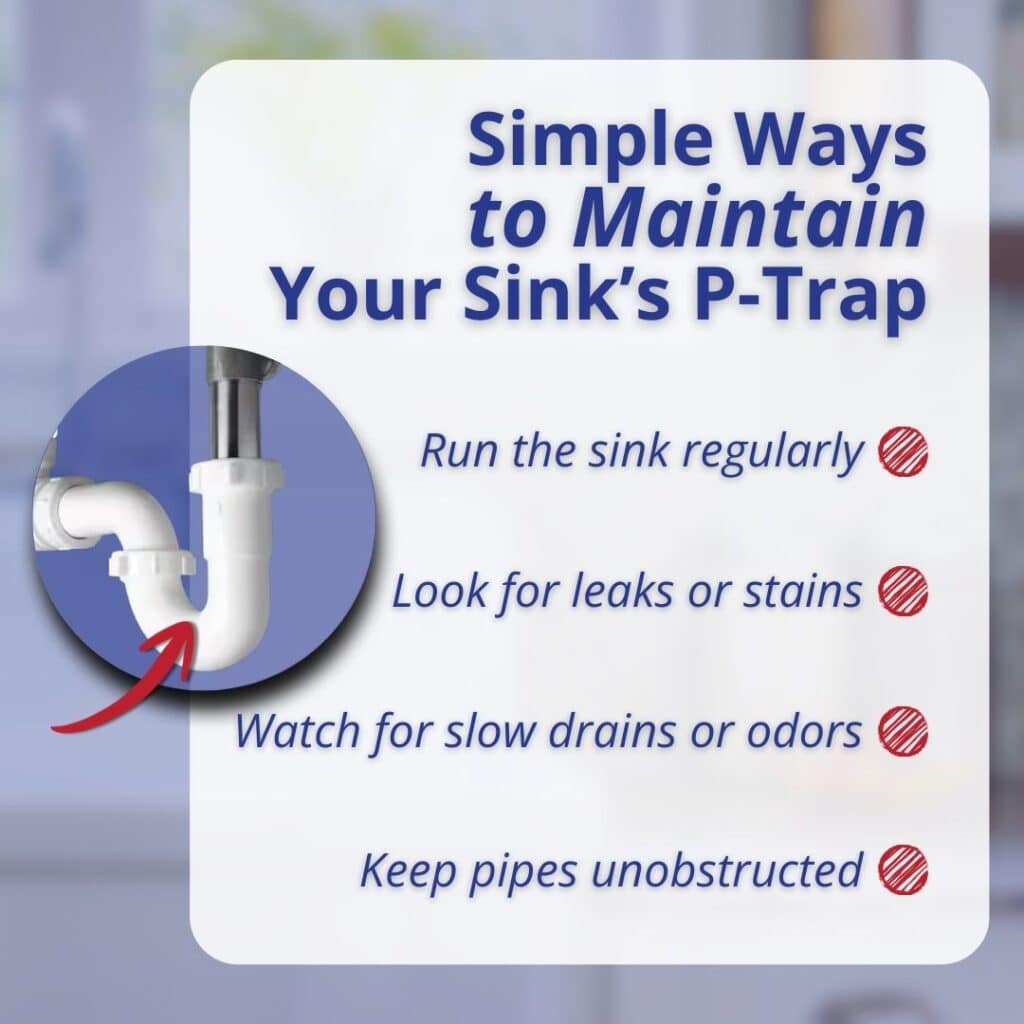
How Are Sink Trap Issues Evaluated During a Home Inspection?
Sink traps are one of the most accessible parts of a plumbing system, which makes them an important inspection focus.
During a home inspection, inspectors typically evaluate:
- Whether a proper trap is present at each sink
- The visible condition and materials used
- Signs of leakage or moisture damage
- Evidence of corrosion or improper installation
- General workmanship and configuration
Inspectors do not dismantle plumbing systems or perform repairs. They document visible conditions and explain why those conditions matter, so homeowners can decide on the next steps.
Sink Trap Plumbing Issues in Older Homes
Many homes in the Charlotte area were built before modern plumbing standards were consistently enforced. Over the years, updates and repairs may have been made without permits or inspections.
As a result, inspectors often find a mix of old and new plumbing components under kitchen or bathroom sinks. Sink trap issues in these homes may not cause immediate failures, but they still increase the risk of odors, leaks, and future damage.
Inspection findings related to sink traps help homeowners understand where plumbing systems may need attention, even if no current emergency exists.
What Sink Trap Findings Mean for Home Buyers
For buyers, sink trap issues often appear in inspection reports as minor or moderate concerns. However, they provide important insight into the home’s overall maintenance history.
Unresolved sink trap plumbing issues may suggest deferred maintenance or past work done without professional oversight. Buyers can use this information to request repairs, credits, or further evaluation before closing.
Understanding these findings helps buyers avoid surprises after moving in.
What Sink Trap Findings Mean for Home Sellers
For sellers, sink trap issues can create delays if they are discovered late in the transaction.
Addressing visible plumbing concerns before listing can improve inspection results and reduce buyer objections. Simple corrections made ahead of time are often easier and less stressful than last-minute repairs during negotiations.
Knowing how sink traps and other plumbing components are evaluated allows sellers to prepare more effectively.
Related Questions We Get Often
Can a home inspection identify hidden plumbing leaks?
A home inspection evaluates visible plumbing components and looks for signs of leaks such as staining, corrosion, or moisture damage. Inspectors do not open walls but often identify conditions that suggest further plumbing evaluation is needed.
How does plumbing condition affect indoor air quality?
Improper plumbing components can allow sewer gases or moisture into living spaces, which can impact comfort and air quality. Inspectors document conditions that may contribute to odors or unhealthy environments.
Are plumbing issues more common in older homes?
Older homes often have outdated materials or past modifications that do not meet current standards. Inspectors frequently find plumbing concerns in homes that have undergone renovations without proper updates.
Can a home inspection help sellers prepare before listing?
Yes. A pre-listing inspection can identify visible plumbing concerns and other issues ahead of time, giving sellers the opportunity to address them before they appear in a buyer’s inspection report.
When to Call a Professional
Understanding who to call and when is important.
A home inspector is the right choice when you want an overall evaluation of visible plumbing conditions, especially during a home purchase, sale, or general home assessment. Inspectors identify sink trap plumbing issues, explain why they matter, and document them clearly in a report.
A plumber is the right professional to call when repairs, replacements, or corrections are needed. Plumbers handle fixing leaks, replacing traps, correcting configurations, and addressing drainage problems.
Inspectors do not perform repairs, modify plumbing, or diagnose hidden conditions inside walls. Their role is to help homeowners understand what is visible and when further action is needed.
America’s Choice Inspections provides thorough home inspections that help homeowners, buyers, and sellers make informed decisions about plumbing conditions and next steps.
Conclusion
Sink traps may be small, but they play a critical role in protecting homes from odors, leaks, and plumbing damage. When sink traps are damaged, improperly installed, or overlooked, a range of plumbing issues can develop quietly over time.
For homeowners in the Charlotte area, understanding common plumbing issues that stem from sink traps helps prevent surprises during inspections and real estate transactions.
With proper awareness and a professional home inspection, these problems can be identified early and addressed before they turn into larger concerns.